Key takeaways
- Most heat loss at a door is air leaking around it.
- Weatherstripping, sweeps and thresholds are the first things to check.
- Glass ratings help compare doors with windows in them.
- A tight frame and flashed sill protect the wall as well as the comfort.
Where the air gets through
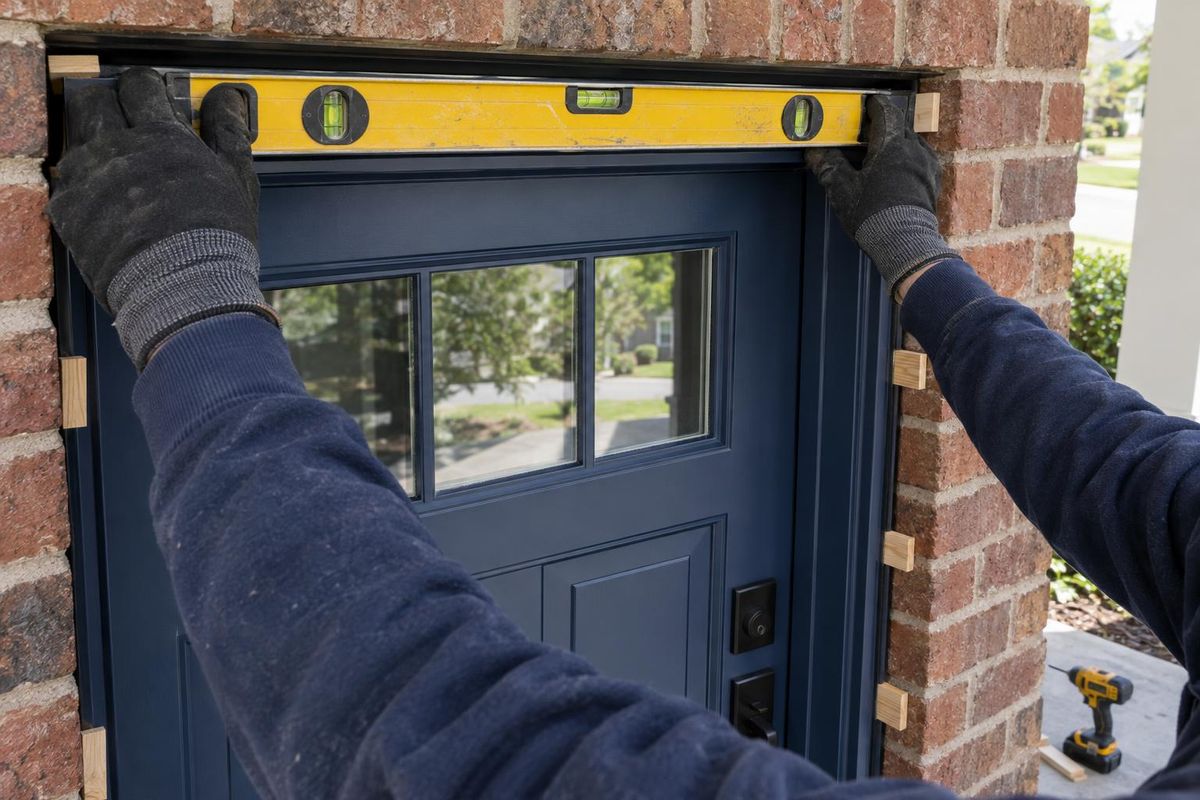
The edges of a door are the problem more often than the door itself. Gaps at the sides, the top and the bottom let in drafts, dust and insects. A door that is out of square will never seal, no matter how new the seals are.
Seals, sweeps and thresholds
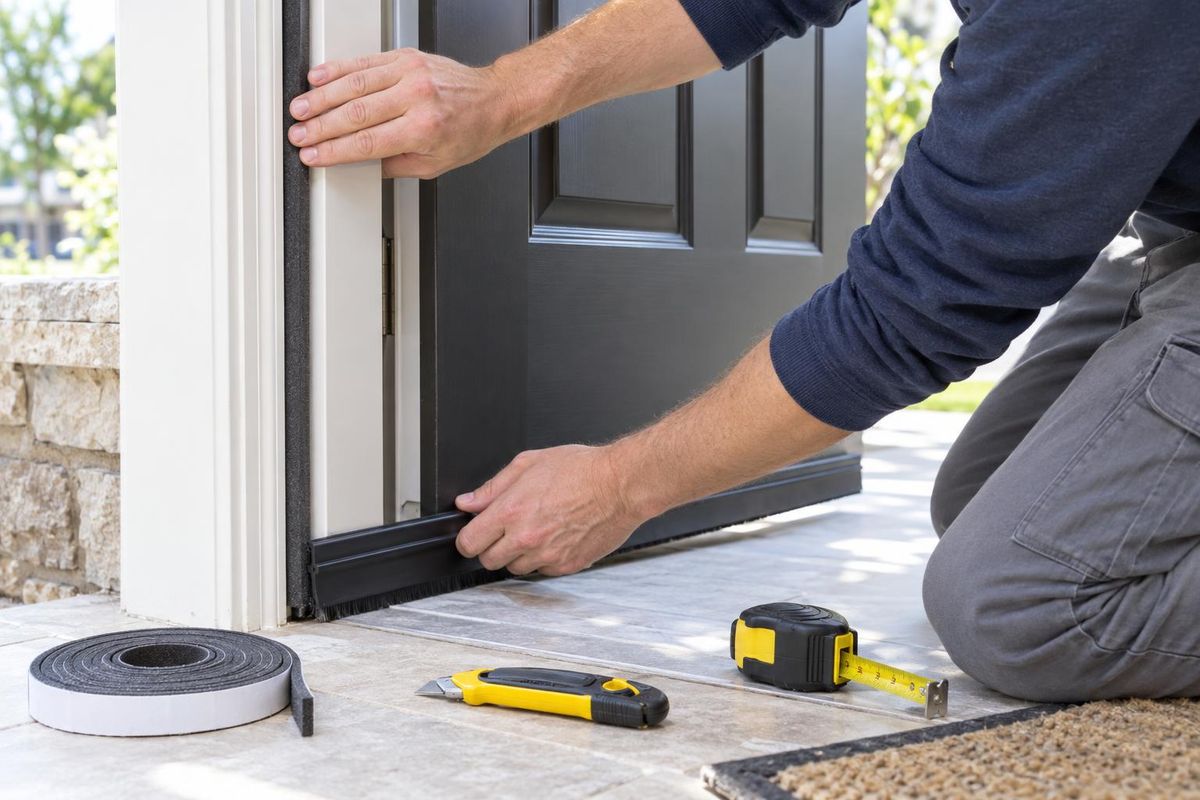
Compression seals at the sides and head press against the door, and a sweep or adjustable threshold closes the bottom. Check them each year, and replace seals that are flattened or cracked.
A door that closes with even pressure along its edge lasts longer and seals better.
What the ratings mean
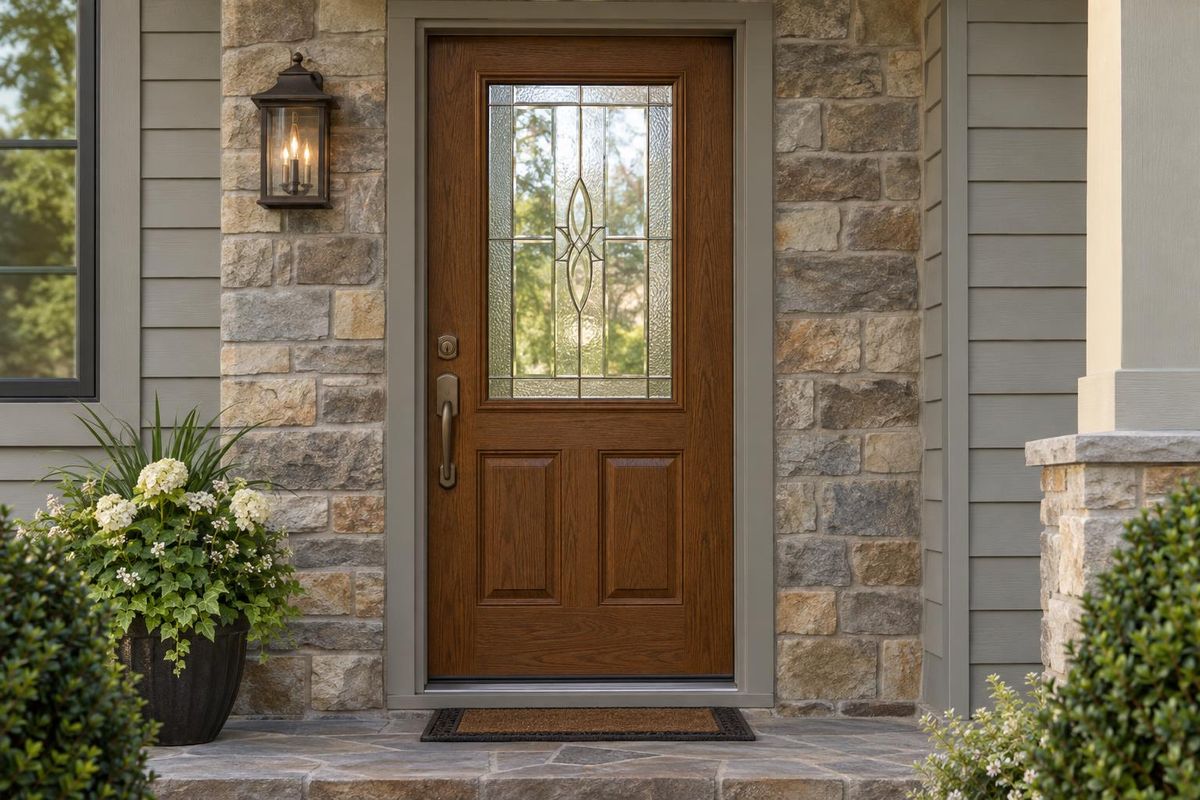
Doors with glass carry ratings for heat transfer and solar gain. A lower U-factor means less heat passes through. The organization below publishes a rating system that makes it easier to compare.
The frame and the sill
A sill pan and flashing keep water out of the wall. Insulated shim gaps keep the air out. These hidden details are what keep a door performing years after installation.
Brand names and organizations belong to their owners, and we are not affiliated with them.
Official sites to explore
Brand names and logos belong to their owners. These links open the official websites in a new tab, and we are not affiliated with them.
Quick answers
What is U-factor?
It measures how much heat passes through. Lower is better.
Do weatherstrips wear out?
Yes. Check them yearly.
Is a new door more efficient?
A new, well-installed door can be, especially if the old one is damaged or out of square.